Facepunch released the Breach and Clear update on 3 September 2026. It adds monument blockers, an upkeep tax for large groups, high quality metal (HQM) ore nodes, breakable armour on the Attack Helicopter and a long list of balance changes. This post skips the performance notes and asks: what does the update change for the Rust economy, in game and on the skin market?
Upkeep group scaling: what large groups now pay
Tool Cupboards now add an upkeep tax based on how many players use a base. The count includes players authed on the TC, players authed on any code lock in the base (guests too), and anyone deauthed from either in the last 24 hours. The rates are tiered:
- The first 4 players add no tax.
- The next 6 players add 2% each.
- Every player after that adds 4%.
So 6 players pay +4% upkeep and 12 players pay +20%. The cap is 300%. Server owners can change or disable the tax with ConVars.
Our read: solos, duos and small teams pay the same as before. Large clans now burn more building materials just to keep their base standing. Expect them to farm harder or buy more building materials at vending machines. On servers with big groups, that likely pushes up the price of HQM and metal in player shops.
HQM nodes, monument blockers and loot: where resources come from

HQM ore nodes and collectables now spawn across the island. Facepunch calls them extremely scarce, with better odds in the Jungle. This is a new direct source of HQM, but a small one. It should offset only part of the extra upkeep demand above.
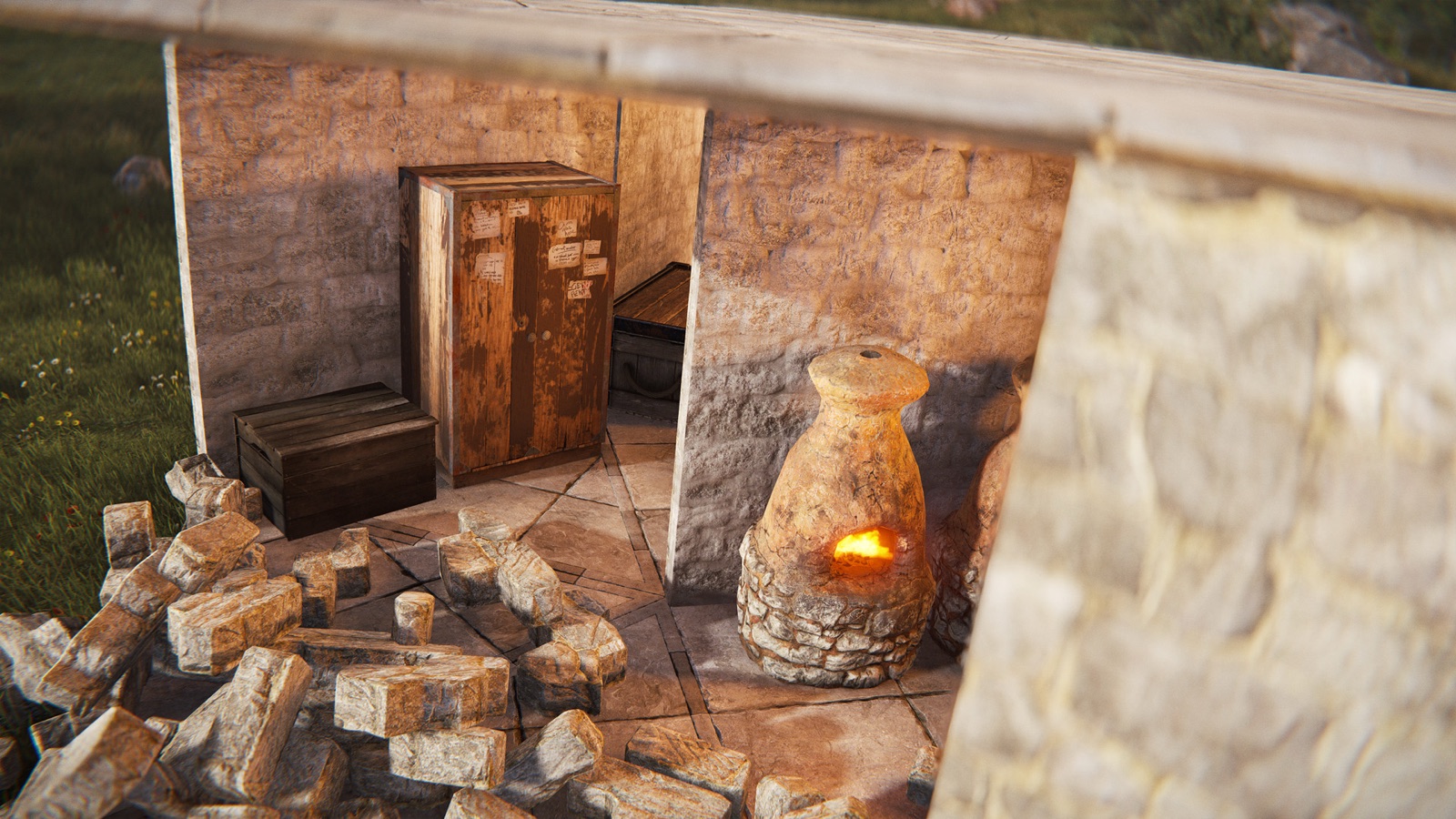
Monument blockers now guard monuments with red keycard puzzle rooms. They take a lot of damage to break and do not respawn once gone. A few weaker ones break with melee. If nobody destroys them in the first 24 hours, they start to decay. Facepunch expects only a small effect on progression, but the first loot from these monuments will likely cost a little more in explosives or time.
Other loot changes:
- SMG bodies spawn slightly more often, and rifle bodies slightly less.
- Server events now survive restarts. Oil rigs, cargo ship, patrol helicopter, Bradley and satellite crash sites keep their loot, including the hackable locked crate.
- Swamp trees now give as much wood as other trees.
Crafting costs and trading: what got more expensive
Several items got pricier or harder to stack:
- The Heavy Plate Helmet now muffles noise and costs more to craft.
- The Semi-Automatic Pistol loses more damage at range and costs slightly more to craft.
- Grenade stacks are now 3 for the F1, Bee Grenade, Molotov and Flashbang, and 4 for the Beancan.
- One item got cheaper: the Boat Planner now costs less than 120 scrap to research.
The Drone Marketplace now runs on Power Plant power. Its battery charges when 4 or more fuses are active, and it accepts orders only above 50%. Expect drone trading to pause on servers where nobody keeps the Power Plant running, and expect more trade through vending machines in those gaps.
Crystal AR, Wood Armor and random skins: the skin market angle
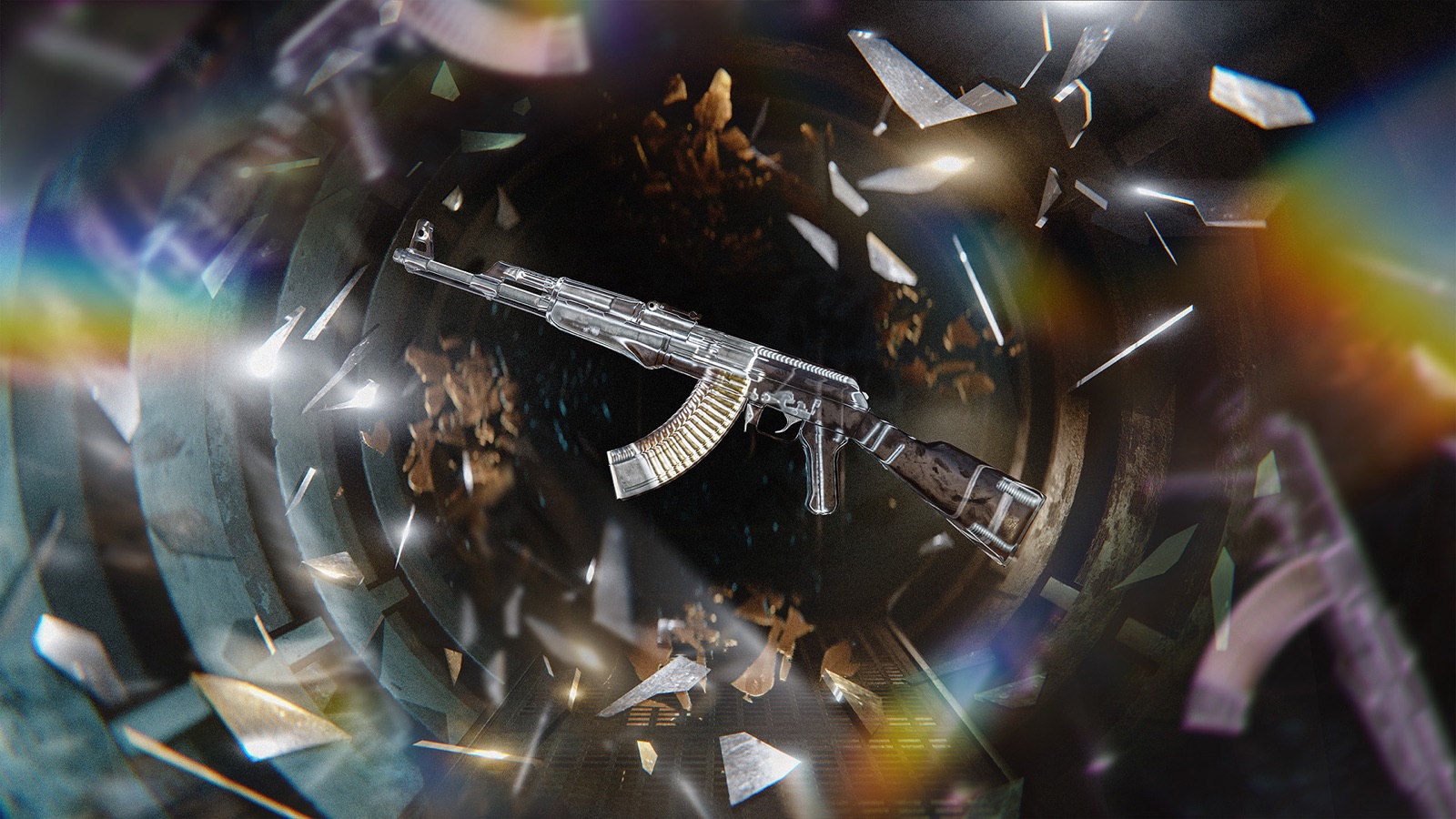
The Crystal Assault Rifle is a new DLC skin in 5 colour variants. It shows the rounds in the magazine and the inner parts as you fire. You buy it in game or from the Rust Steam item store. AR skins are already a crowded category, and a strong store skin can pull buyers away from mid-priced AR skins on the market. The devblog does not say if the Crystal AR can be traded.
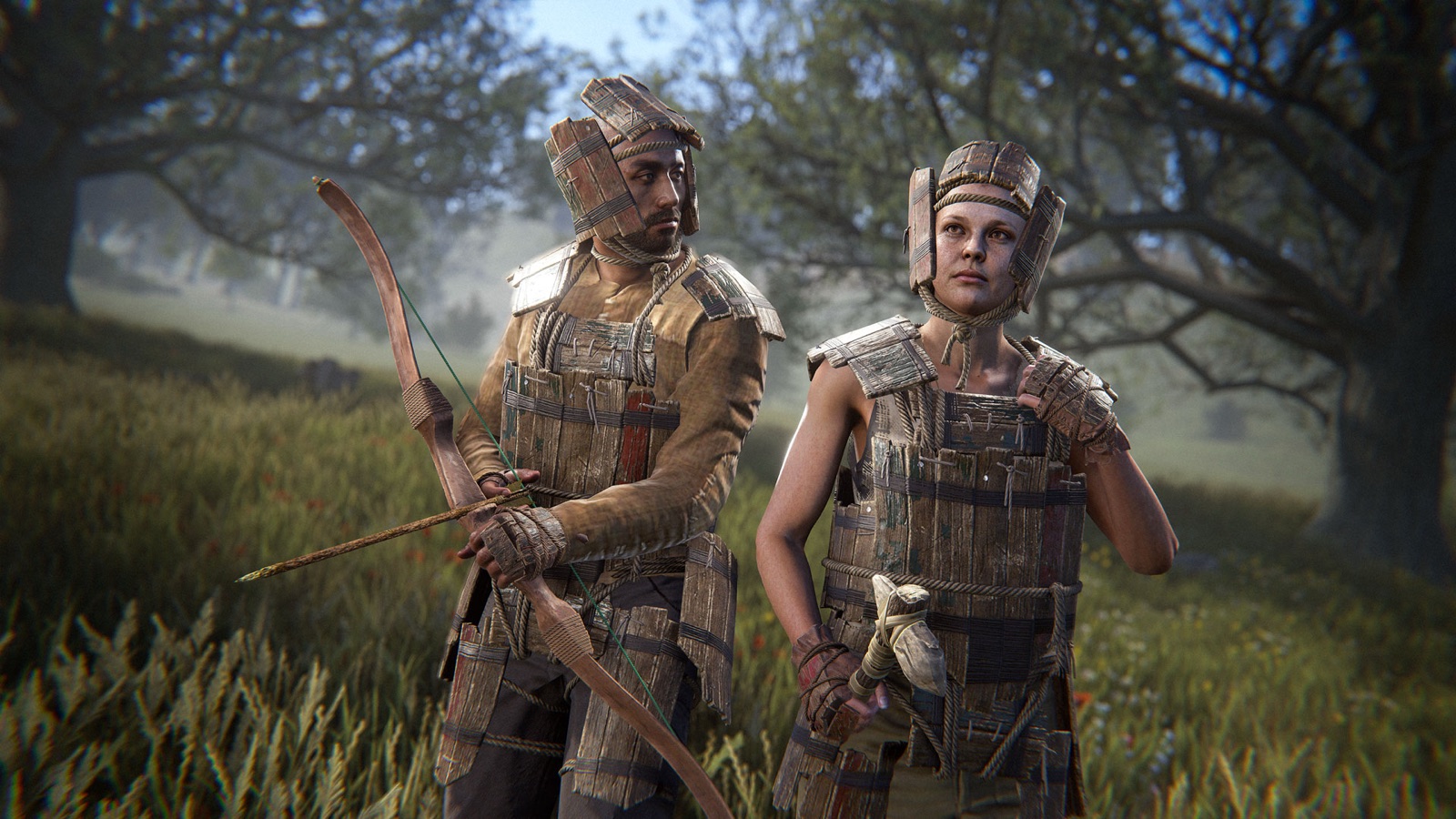
All four Wood Armor pieces are now workshop-skinnable: Chestplate, Pants, Helmet and Gloves. Creators can download the models from the in-game workshop. This is a new skin category, so expect the first Wood Armor skins in the coming months.
A new random skin option in the crafting menu applies a random unlocked skin to each craft, saved per item. Players who own several skins for one item now see them all in use. That may lift demand for cheap skins of common crafts.
What to watch on the market
- AR skins: watch mid-priced Assault Rifle skins for a dip as the Crystal AR spreads.
- Wood Armor skins: the first listings in a new category usually start high and fall as supply grows.
- Cheap skins for common items: random skin crafting gives collectors a reason to own more than one skin per item.
RustBuddy compares the price of every Rust skin on the Steam Community Market and third-party marketplaces. Open any item page to see where it is cheapest right now and how its price moved over the last 24 hours and 7 days.