Facepunch released the Printed and Polished update on 5 November 2026. The headline is a blueprint rework, the new Uzi 9mm and the biggest performance pass the game has had. Most patch notes list what changed. This post looks at one question: what does the update do to the Rust economy, in game and on the skin market?
Blueprint rework: scrap leaves the tech tree
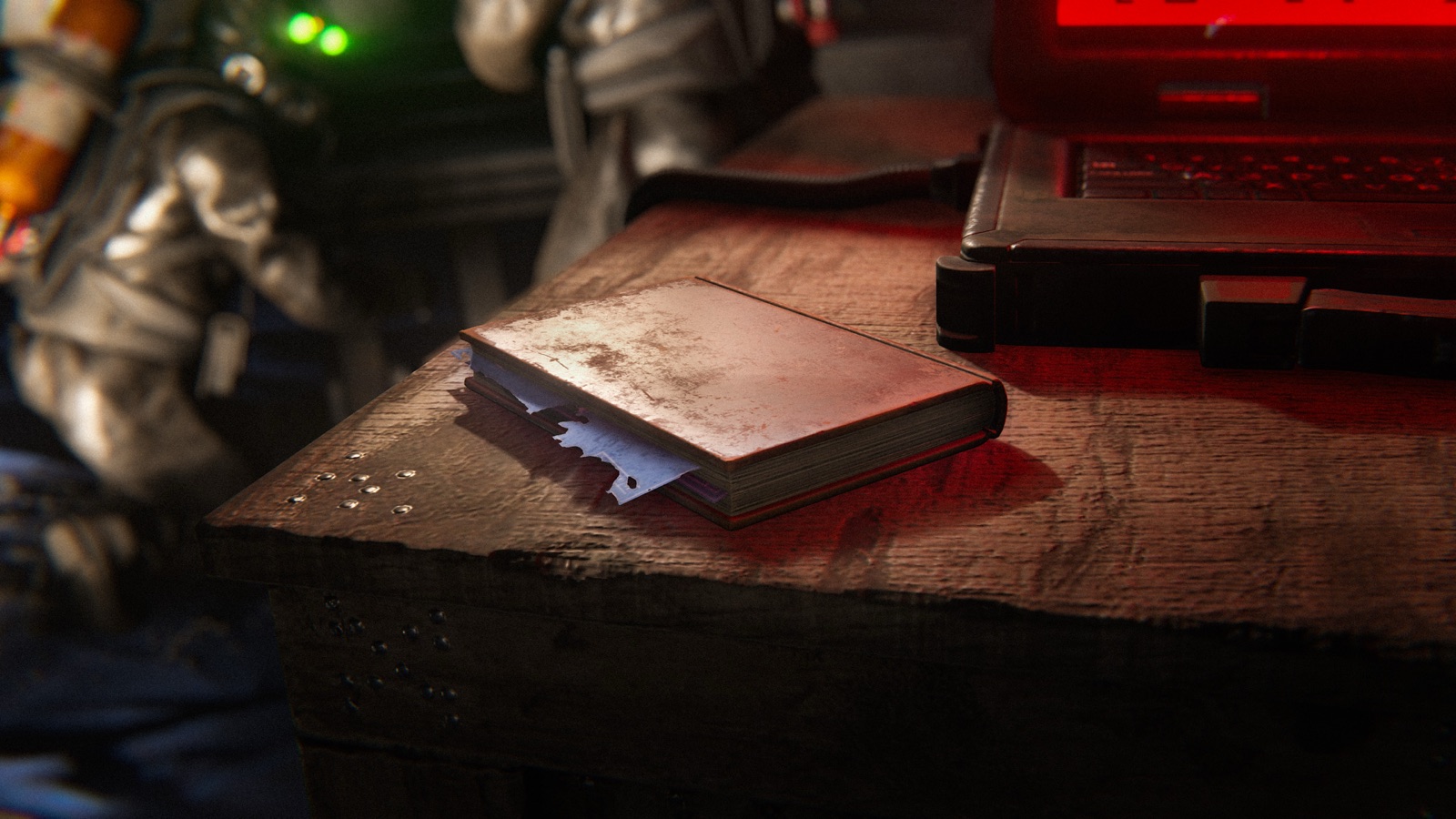
Workbenches no longer need blueprint fragments to craft, and tech trees no longer cost scrap. Three tiers replace them: blueprint fragments, pages and books, one for each workbench level. The lowest tier drops from common loot such as barrels and boxes, and you can upgrade it to the next tier. Puzzle rooms and harder monuments stay the fastest route. The research table still takes scrap.
What this does to the economy:
- Scrap keeps its value longer. Before, a large share of early scrap went into the tech tree. Now it goes to research, vending machines and the casino. Expect scrap prices at player shops to firm up.
- Blueprint items become a trade good. Fragments and pages stack and move between players, so they will show up in vending machines next to sulfur and high-quality metal.
- Solo and casual players gain. Barrel runs now feed progression directly, which narrows the gap to groups that farm monuments.
The workbench upgrades changed too. The Salvage workbench now has a 20% chance to not use a blueprint, and the Prototype workbench has a flat 25% success rate with no cost doubling.
Uzi 9mm and the new Nailgun: two new skin slots

The Uzi 9mm is a new SMG. With the stock folded it is automatic and works with a shield. With the stock unfolded it is semi-automatic and more accurate. A new gun is a new skin category, and the first skins for a new weapon usually sell at a premium while supply is small.
The Nailgun got its first model refresh in almost nine years, and Facepunch made it workshop-skinnable. Skin makers can now download the model files from the in-game workshop, so expect the first Nailgun skins in the coming months.
Livestock: steadier milk and wool
Cows no longer die of old age, they store up to 3 milk, and overgrazing is gone. Captive-born animals now have a potential stat that multiplies their rewards and their sale price. New Shears give more wool. The result is a steadier supply of milk and wool, and a reason to breed animals for sale instead of only for food.
Scrap King and Rust Premium: skins sold by Facepunch
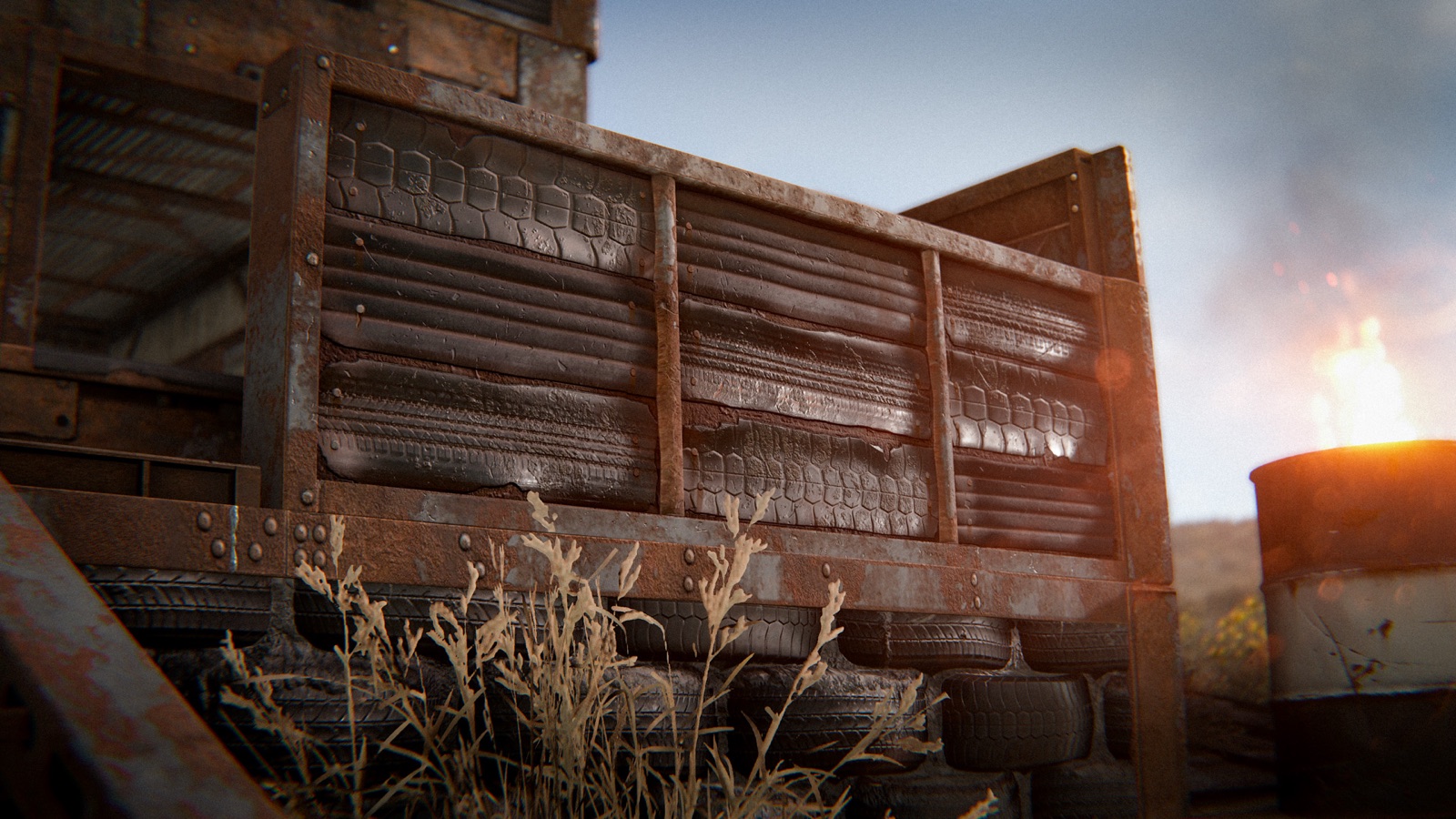
The Scrap King building skin changes the Sheet Metal tier. You buy it in game or from the Rust Steam item store. Building skins are a direct purchase, so they do not compete with skins traded on the Steam Community Market.
Facepunch also announced Rust Premium, a paid monthly service. It is not a battle pass: there is no reward track and no gated progression. Monthly rewards will include skins for deployables and clothing, plus collectibles. Facepunch has not said if these skins can be traded. If they cannot, Premium mostly competes for the same money as store skins. If they can, a steady monthly supply could push down prices for similar deployable skins.
What to watch on the market
- Uzi skins: watch the first listings. Early prices tend to fall as more copies enter the market.
- SMG skins in general: the Uzi competes with the Thompson and Custom SMG for loadouts, which can shift demand between their skins.
- Deployable skins: watch for Rust Premium details. Tradeability is the one fact that decides its effect on prices.
RustBuddy tracks every Rust skin across the Steam Community Market and third-party marketplaces. Open any item page to see its price on each market and how it moved over the last 24 hours and 7 days.